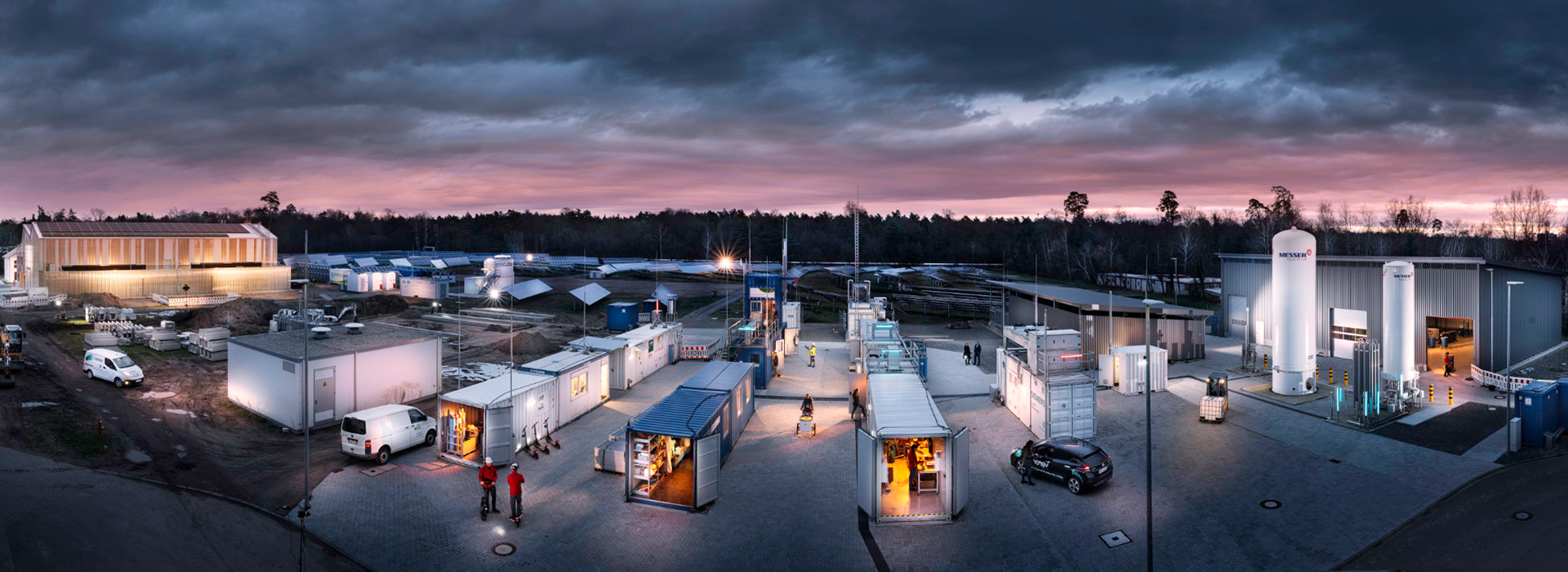
The Karlsruhe Institute of Technology (KIT) has taken a significant step in hydrogen research with the establishment of the Hydrogen Integration Platform (HIP). This comprehensive research infrastructure is designed to close the gap between laboratory-scale research and practical applications in energy systems. Located on KIT’s Campus North, this state-of-the-art facility is the result of many years of planning and collaboration between several research institutes and positions the research infrastructure at the forefront of European hydrogen technology research.
Launch Event
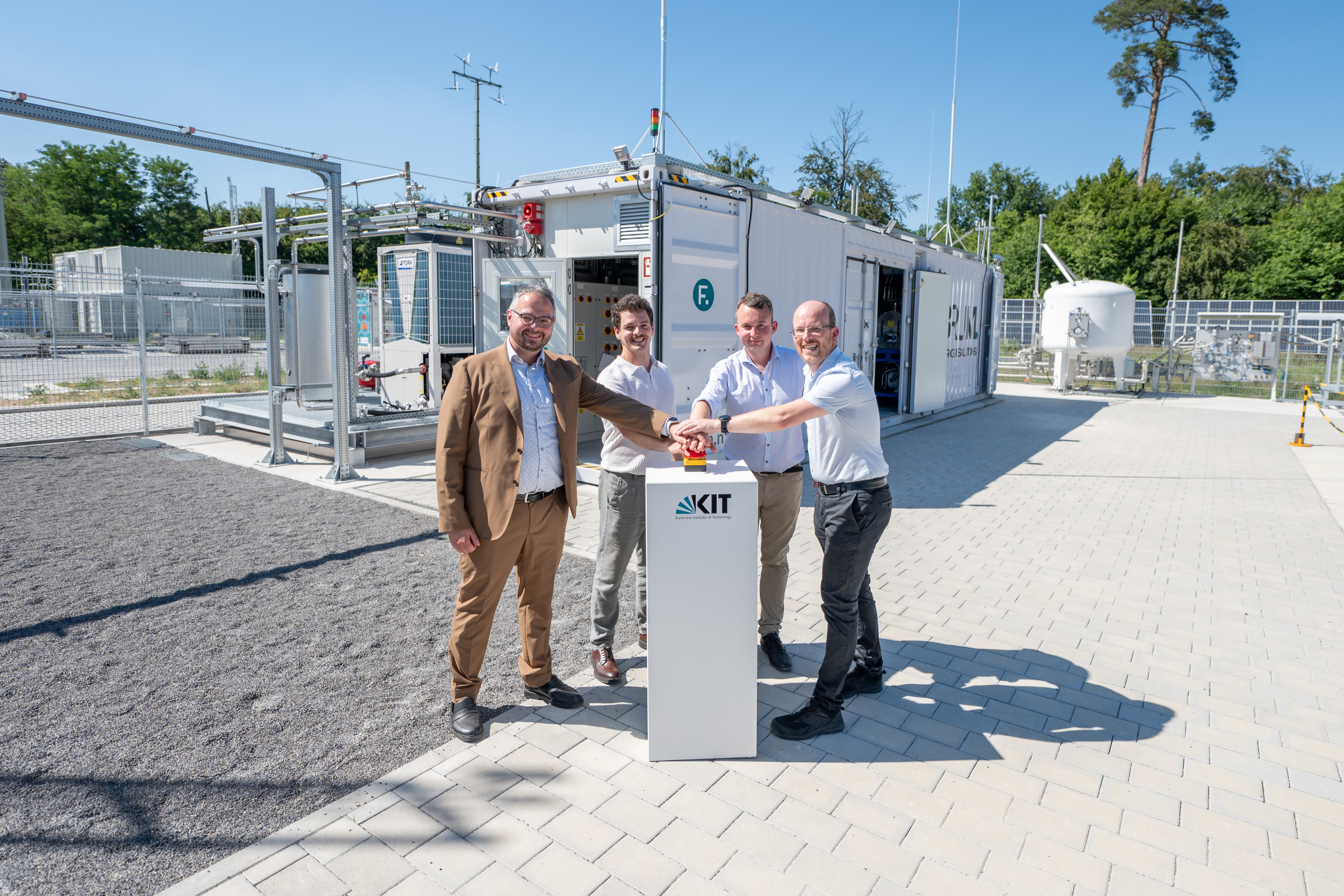
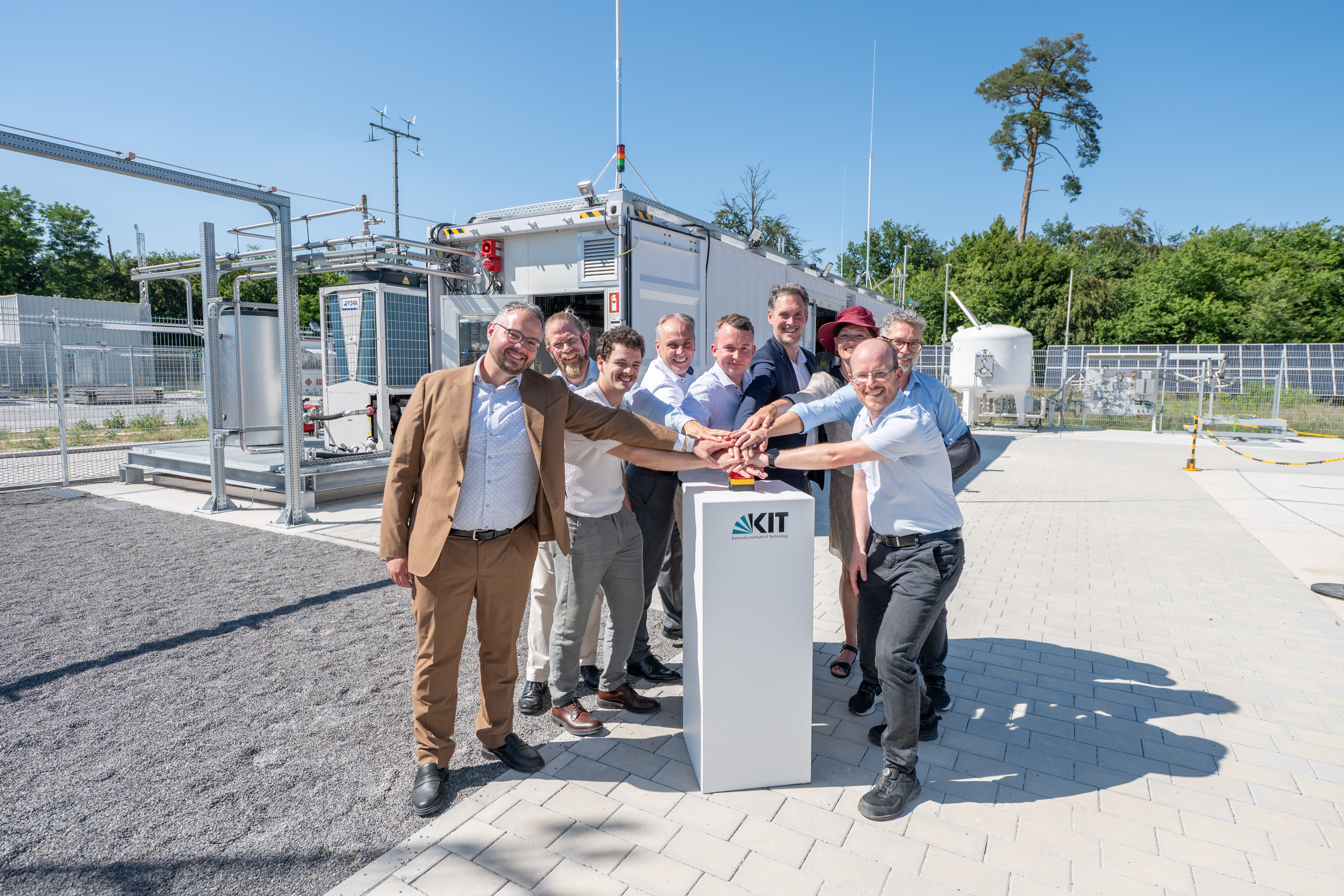
The first experiments started with the official opening ceremony on June 18, 2026. In addition to a presentation of the projects, partners from academia, industry, and the media were able to tour the infrastructure on site.
The following images are available for non-commercial use (copyright 20260618: Daniela Di Maio, KIT and 20260407: Amadeus Bramsiepe, KIT). For information on commercial use, please contact our photography department.
Highlights of the Launch Event
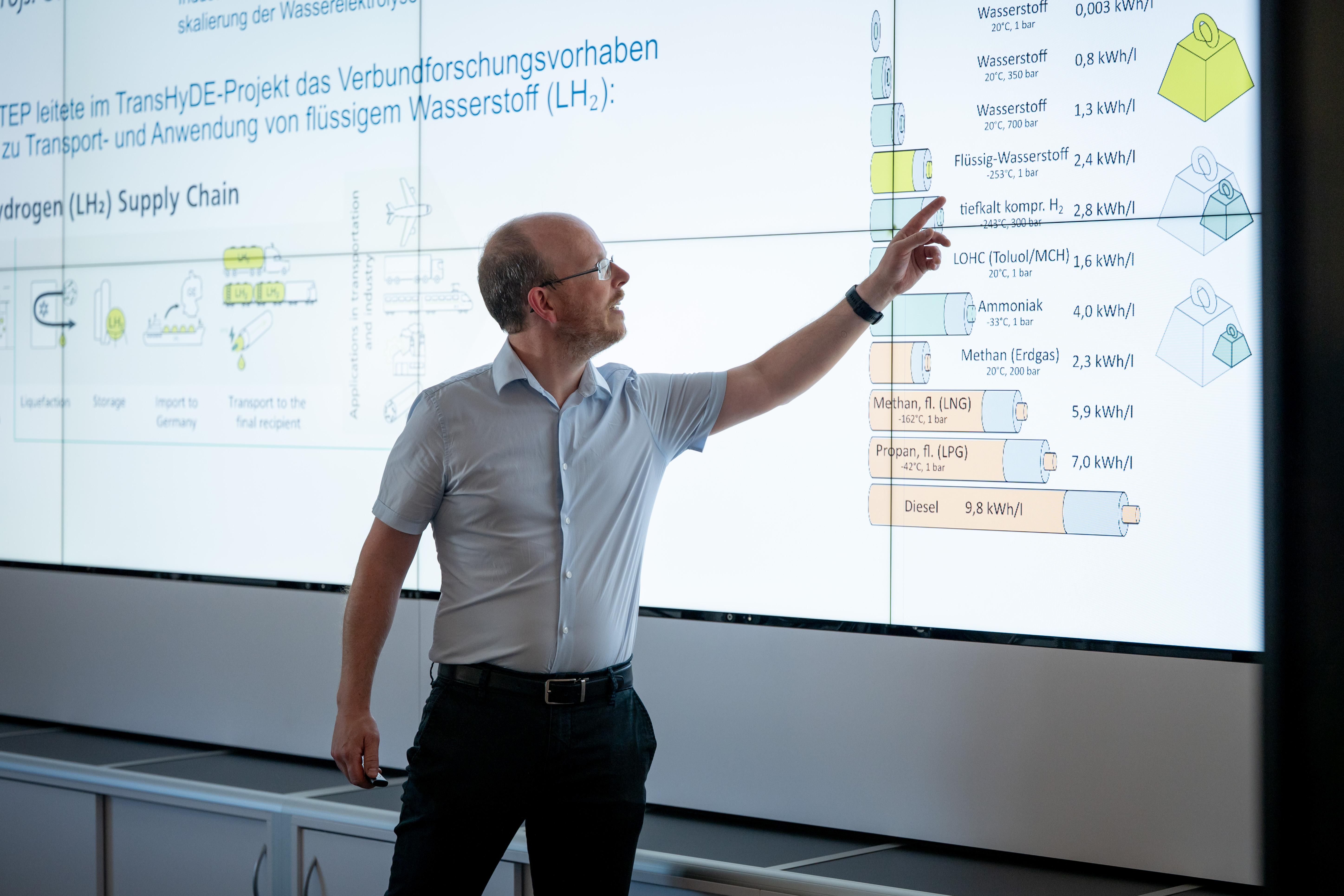
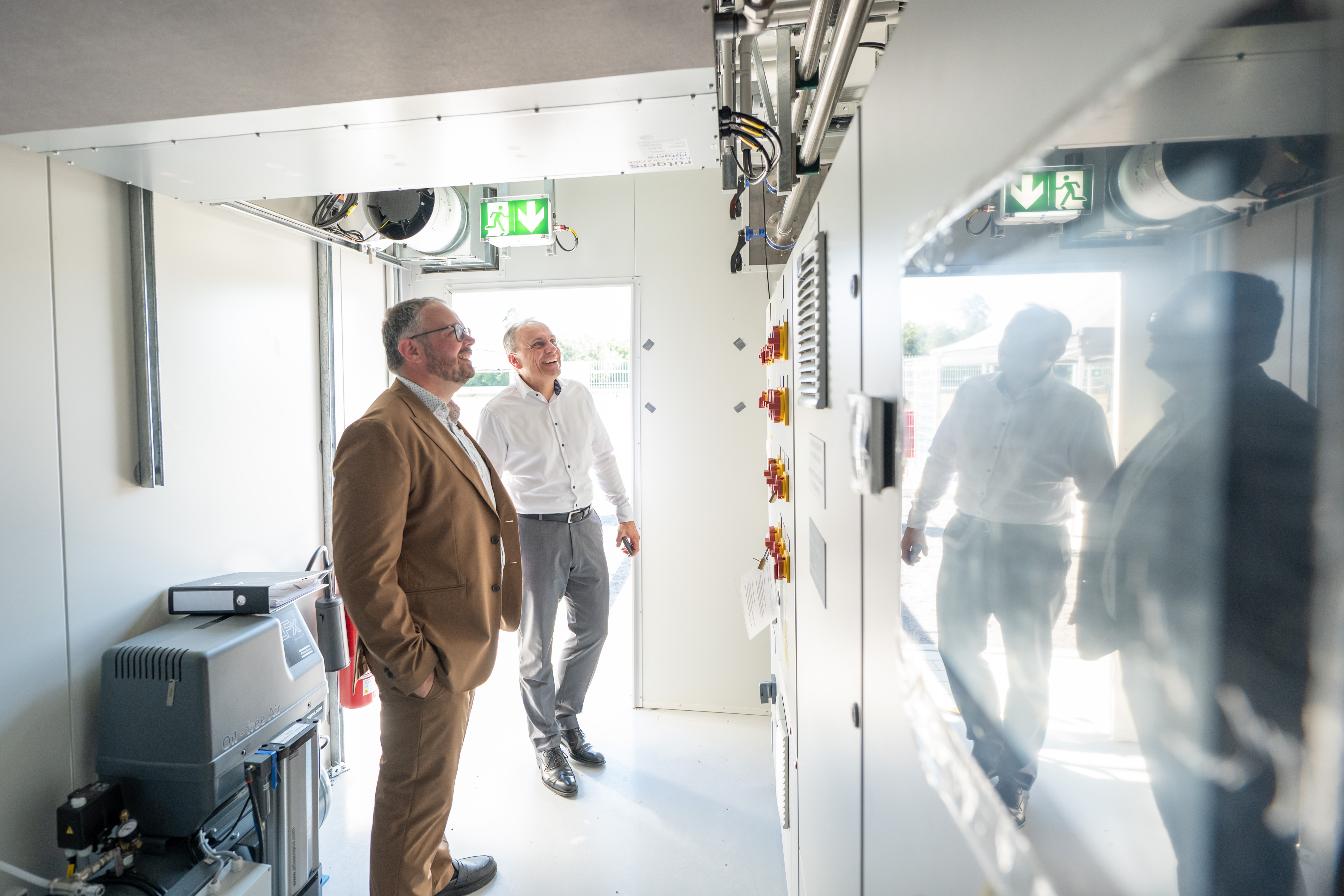

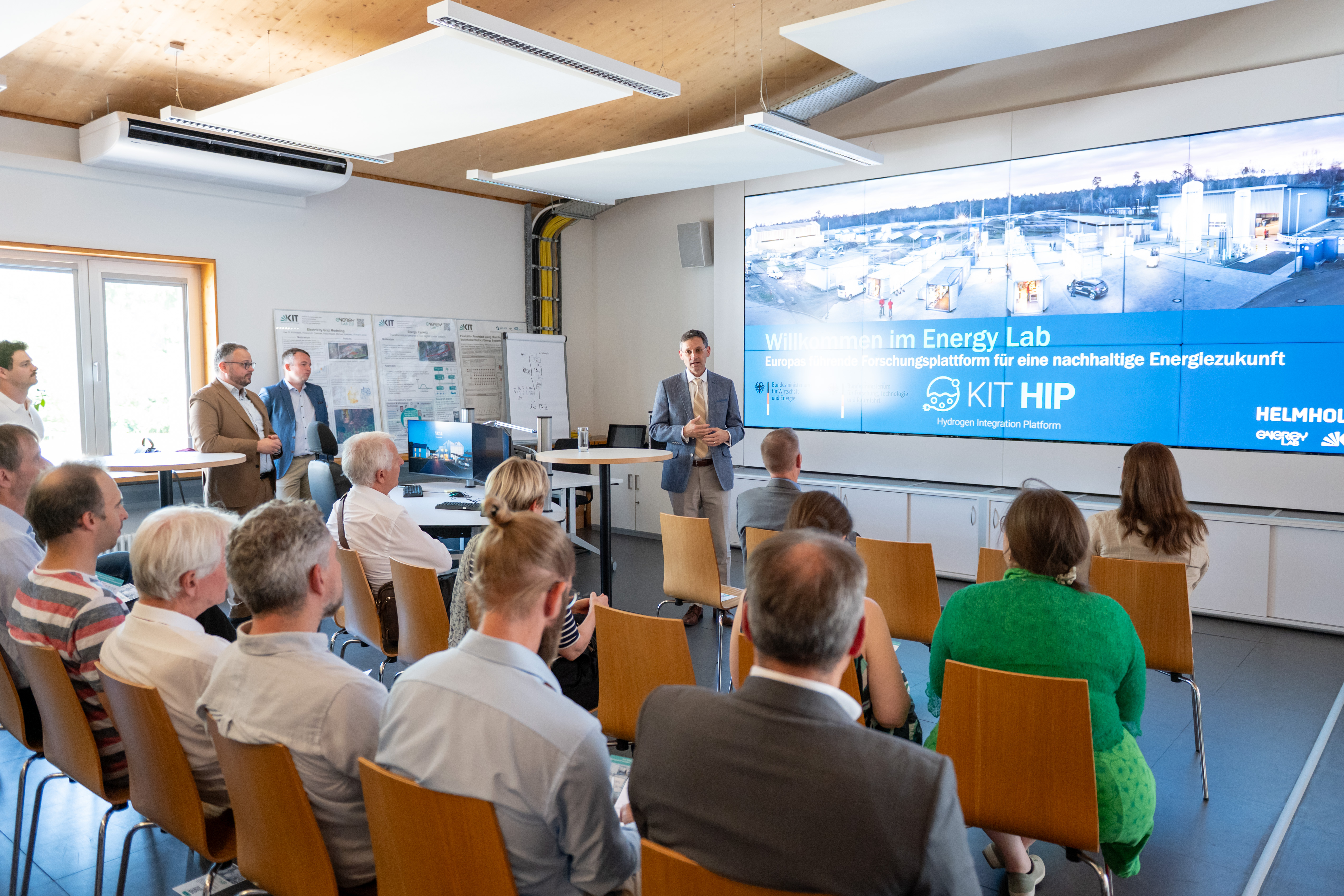
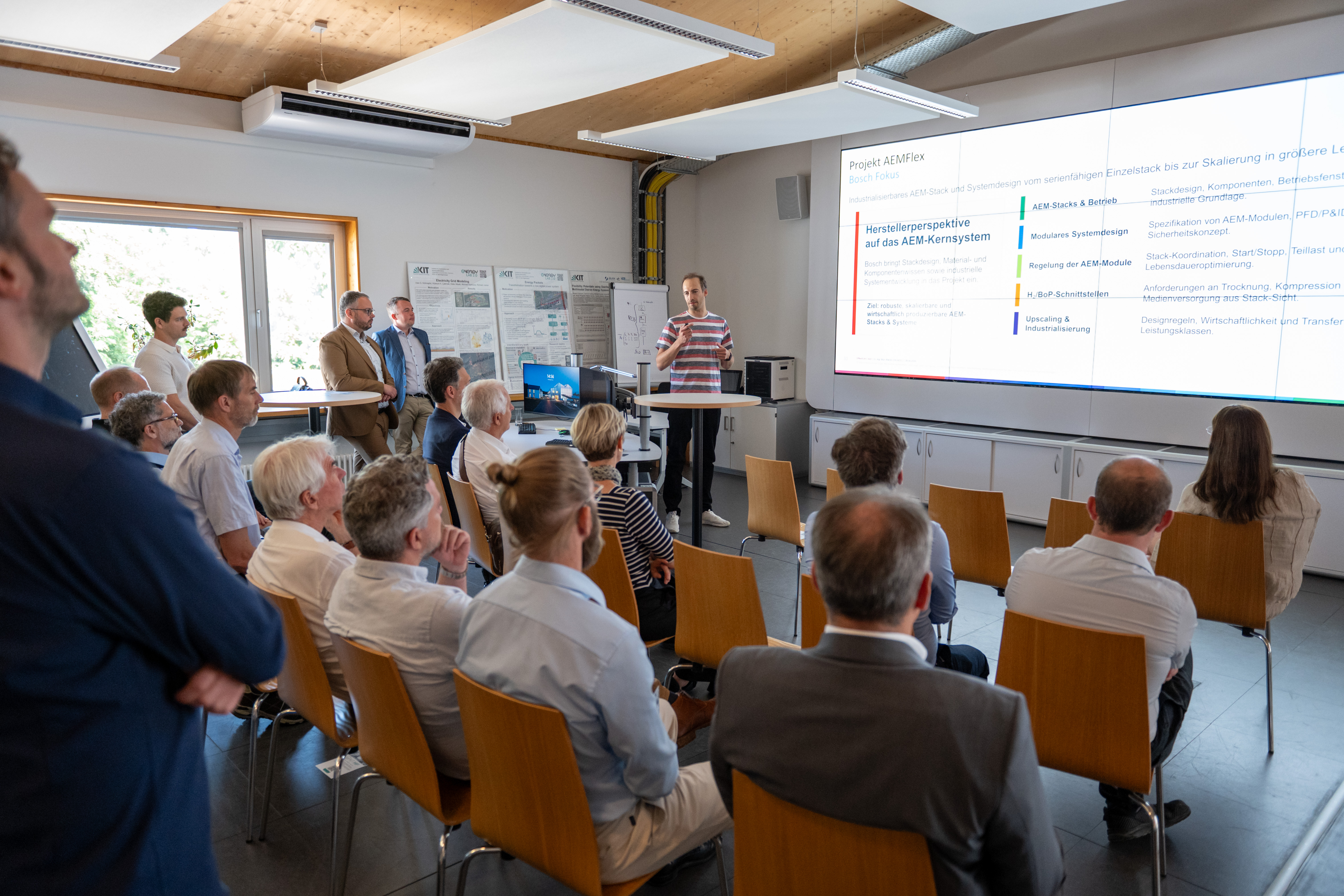


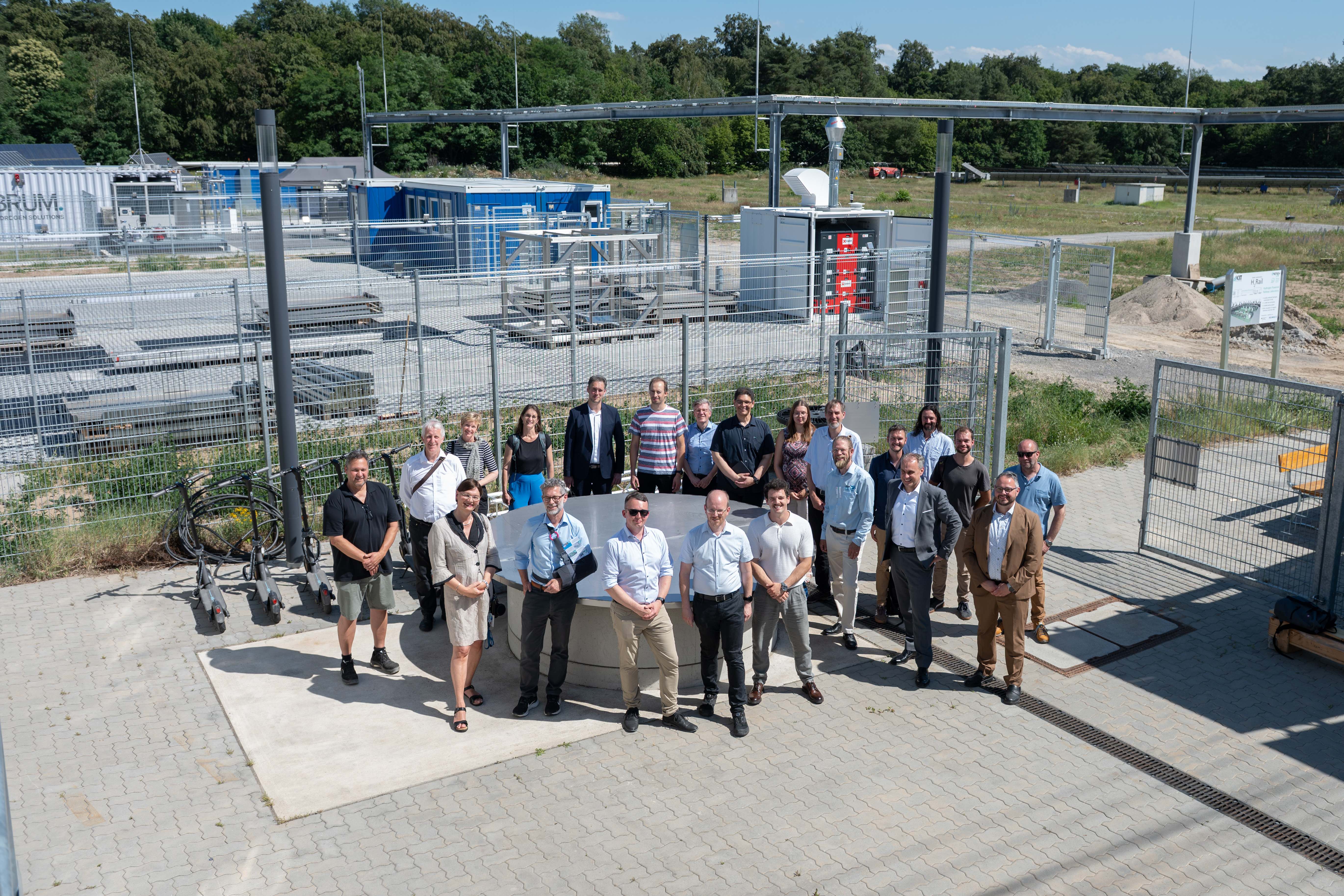
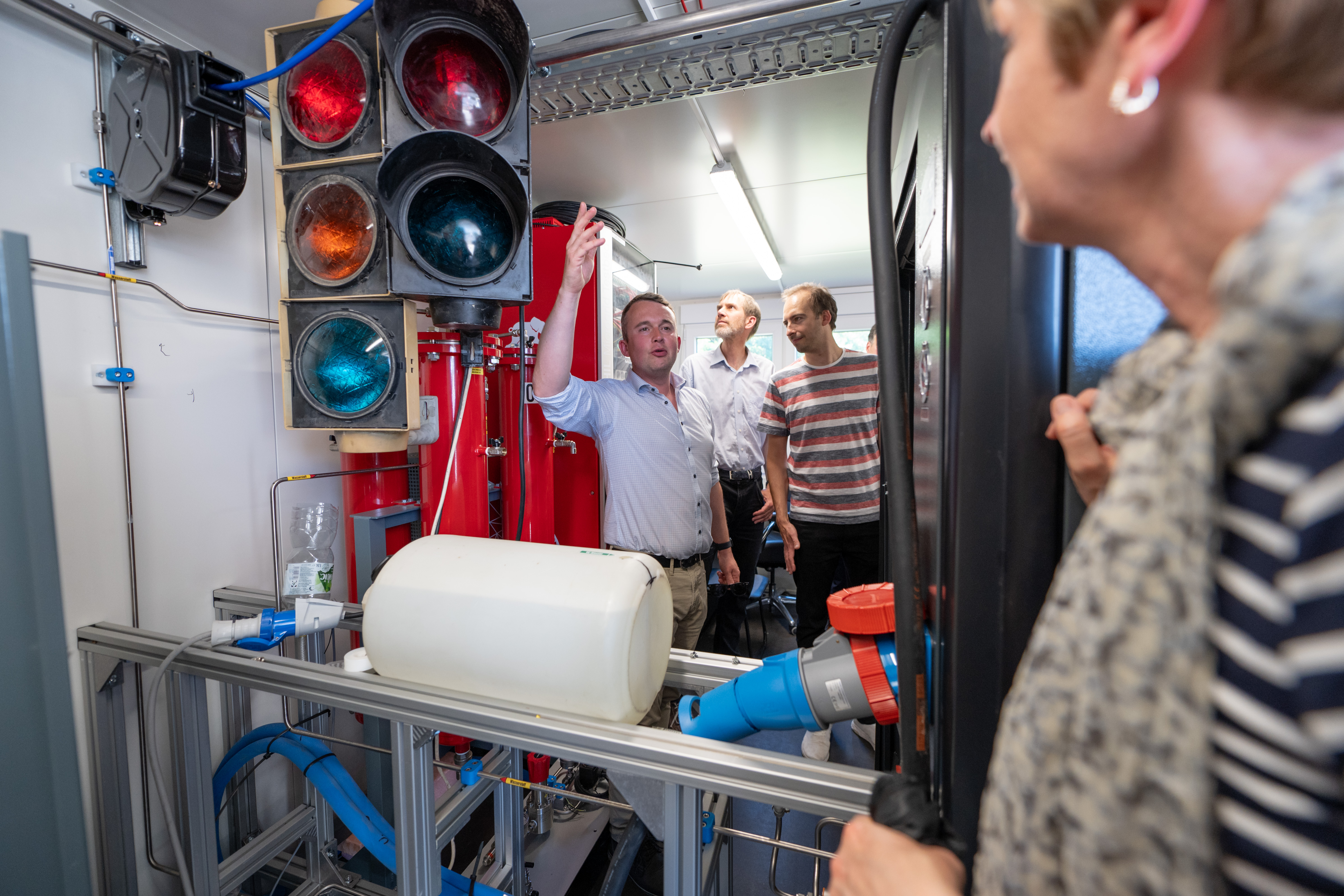
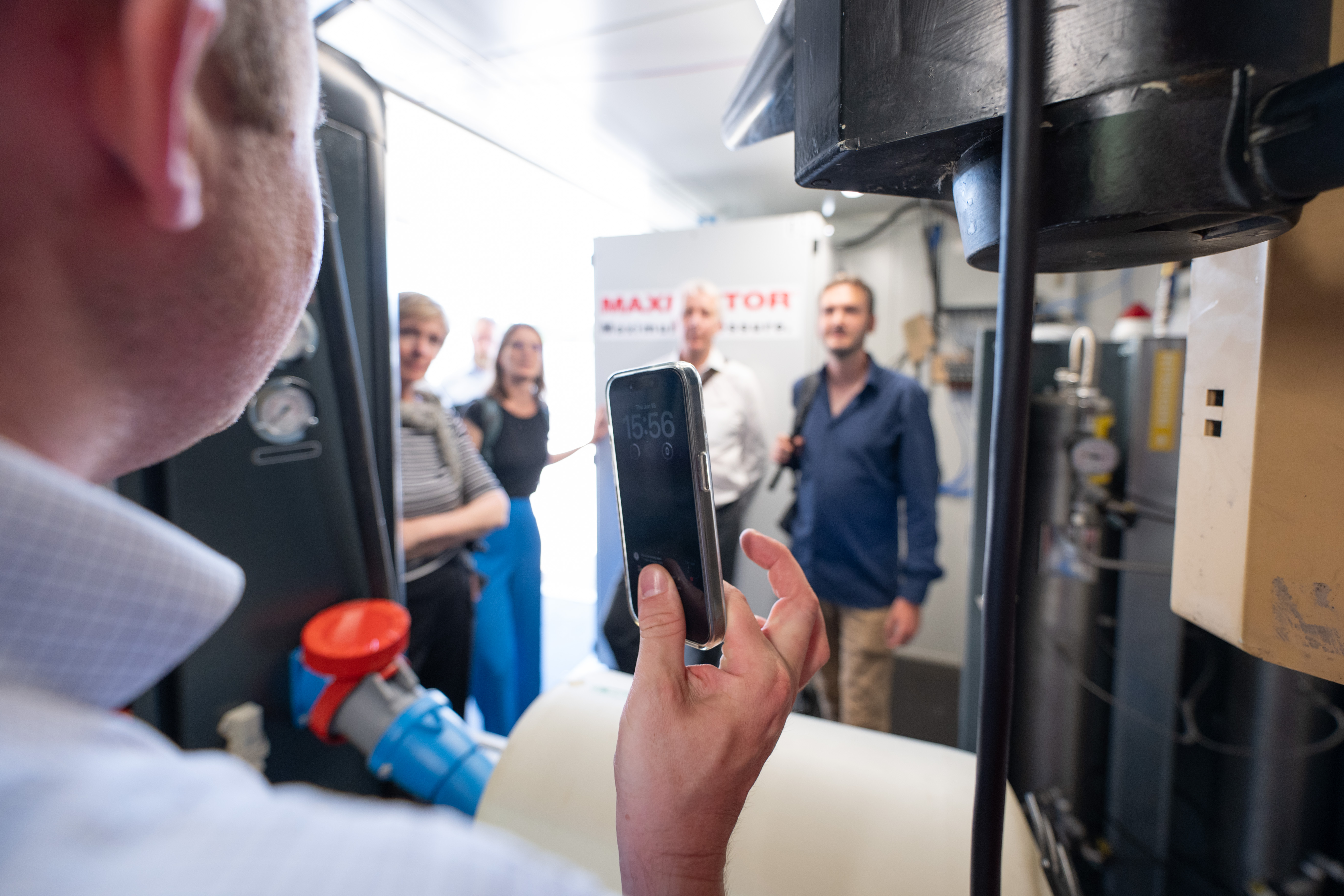
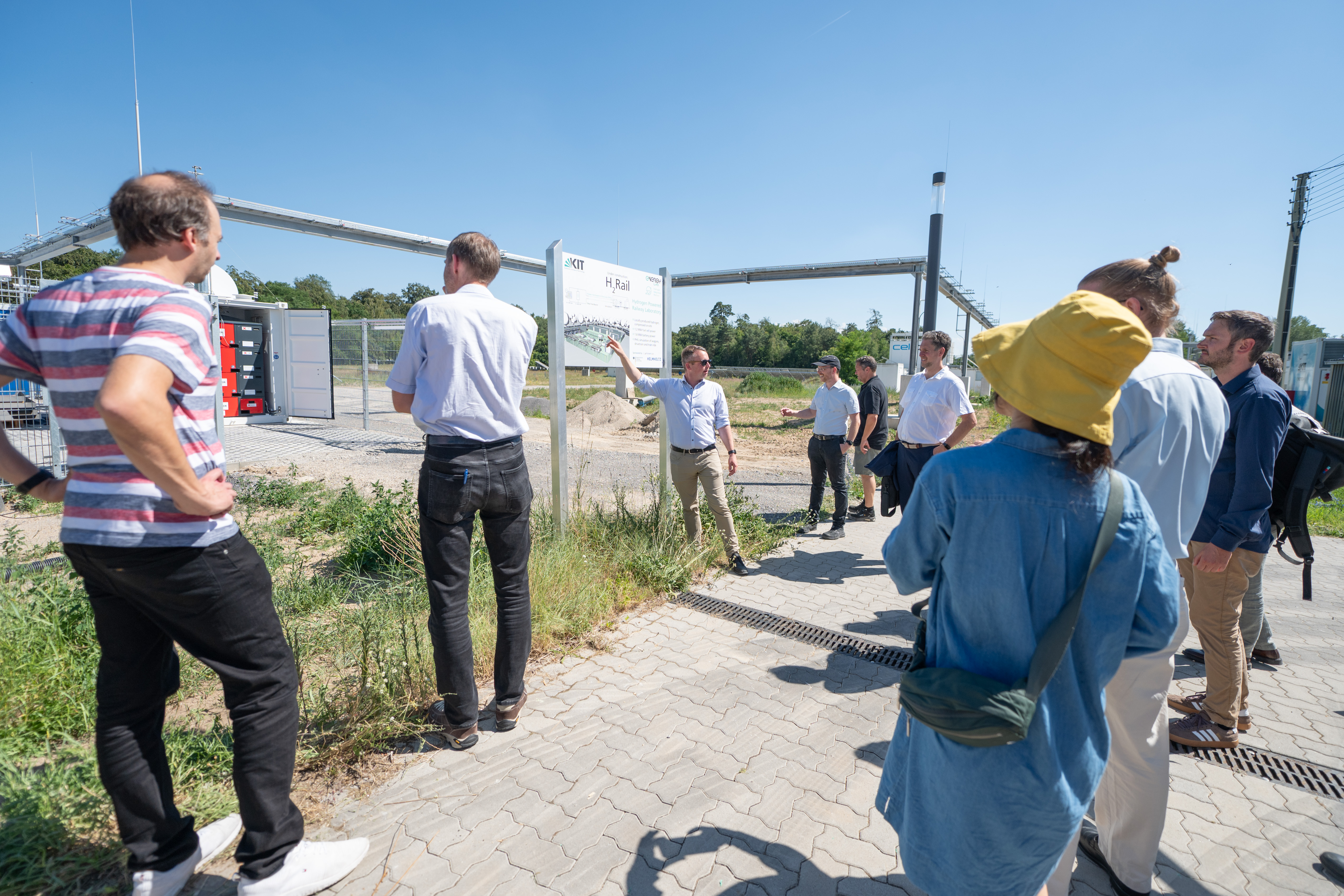
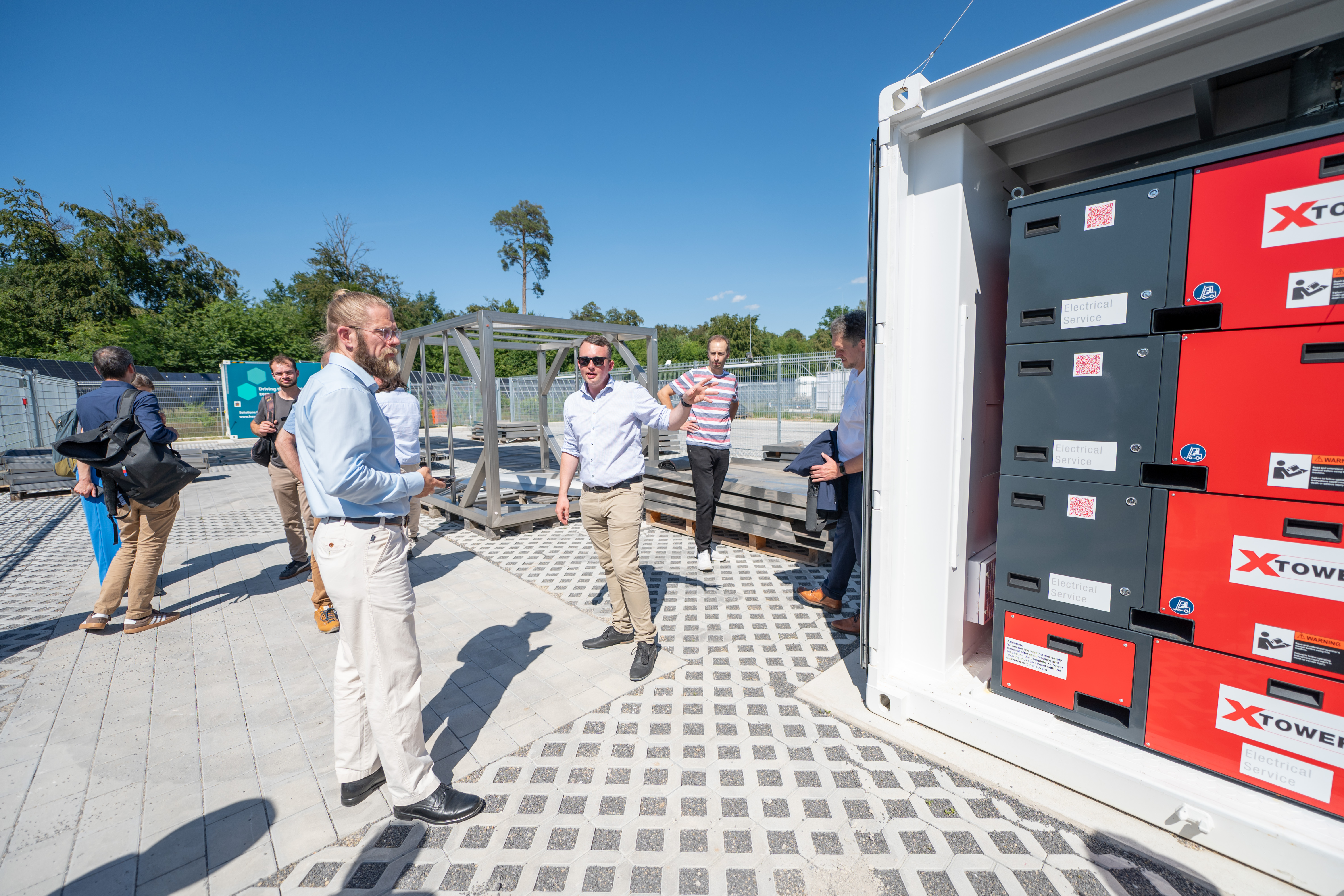
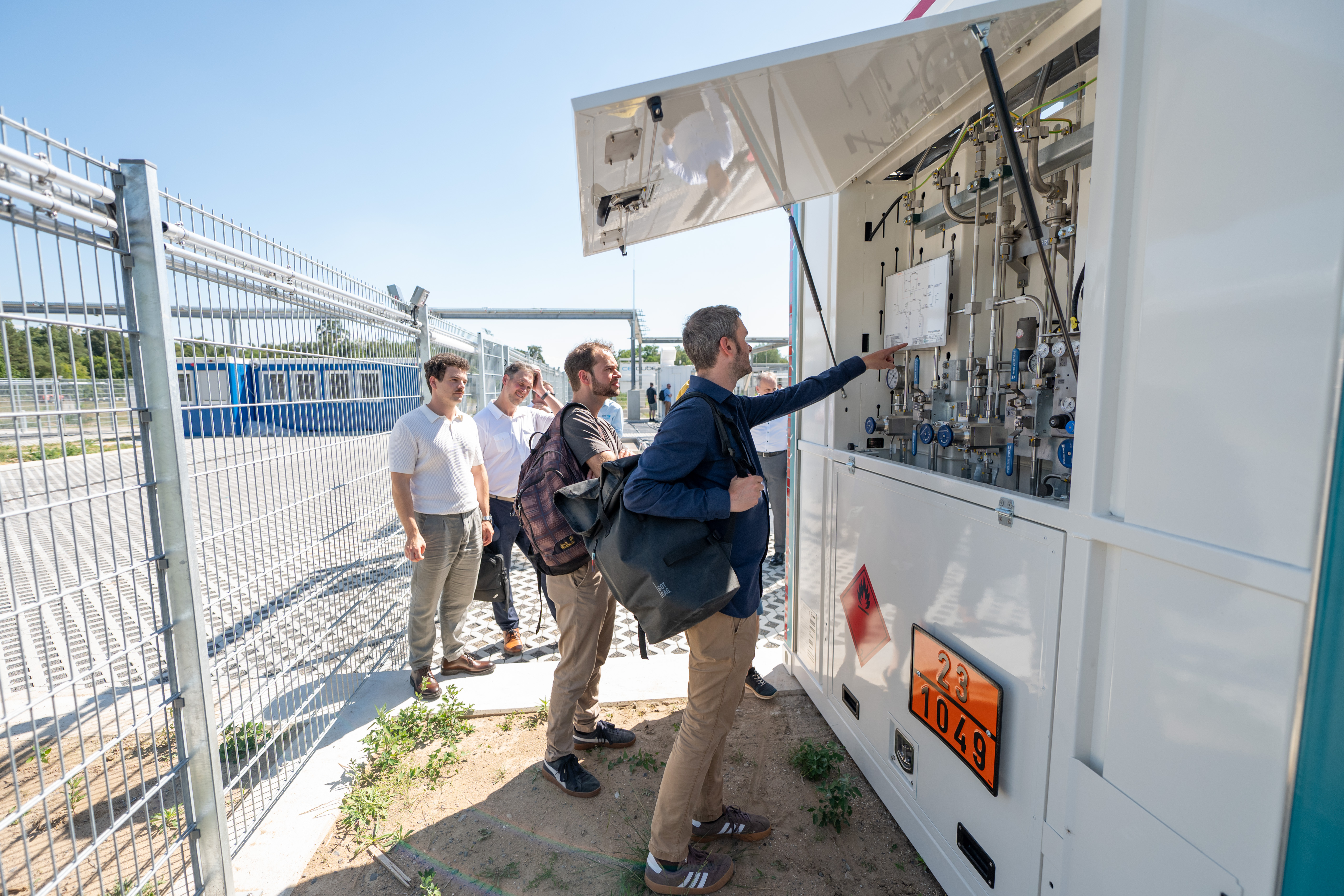
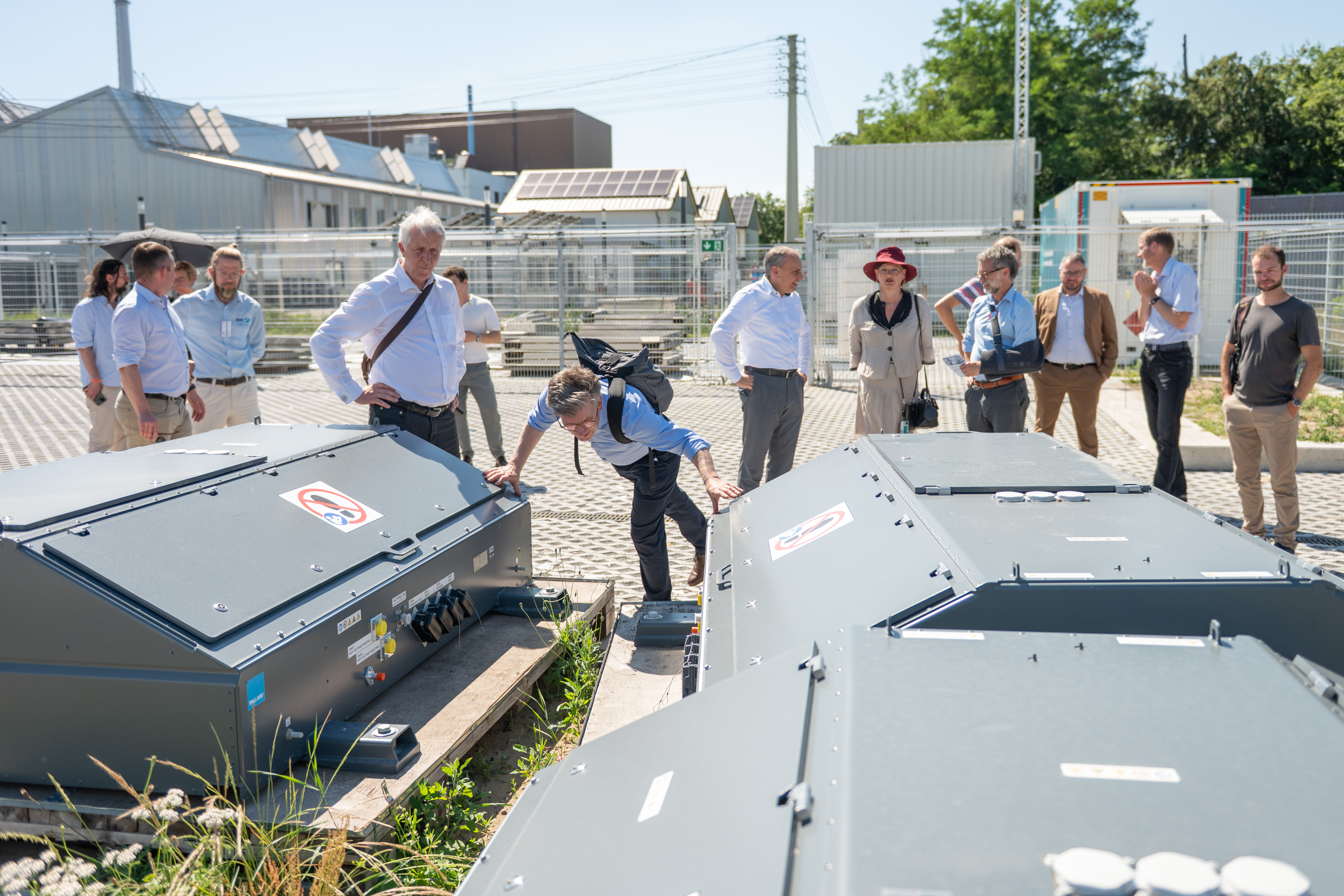
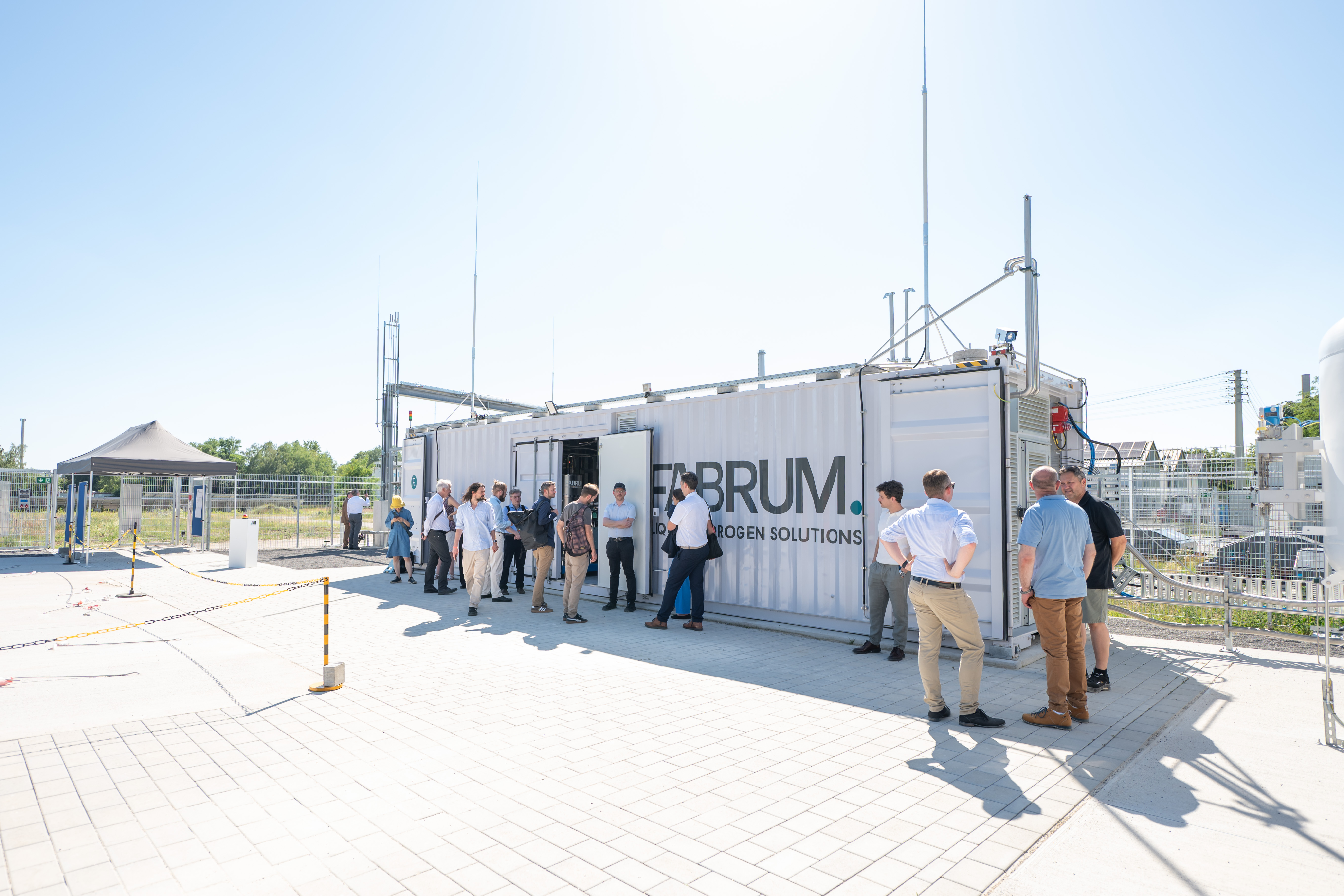
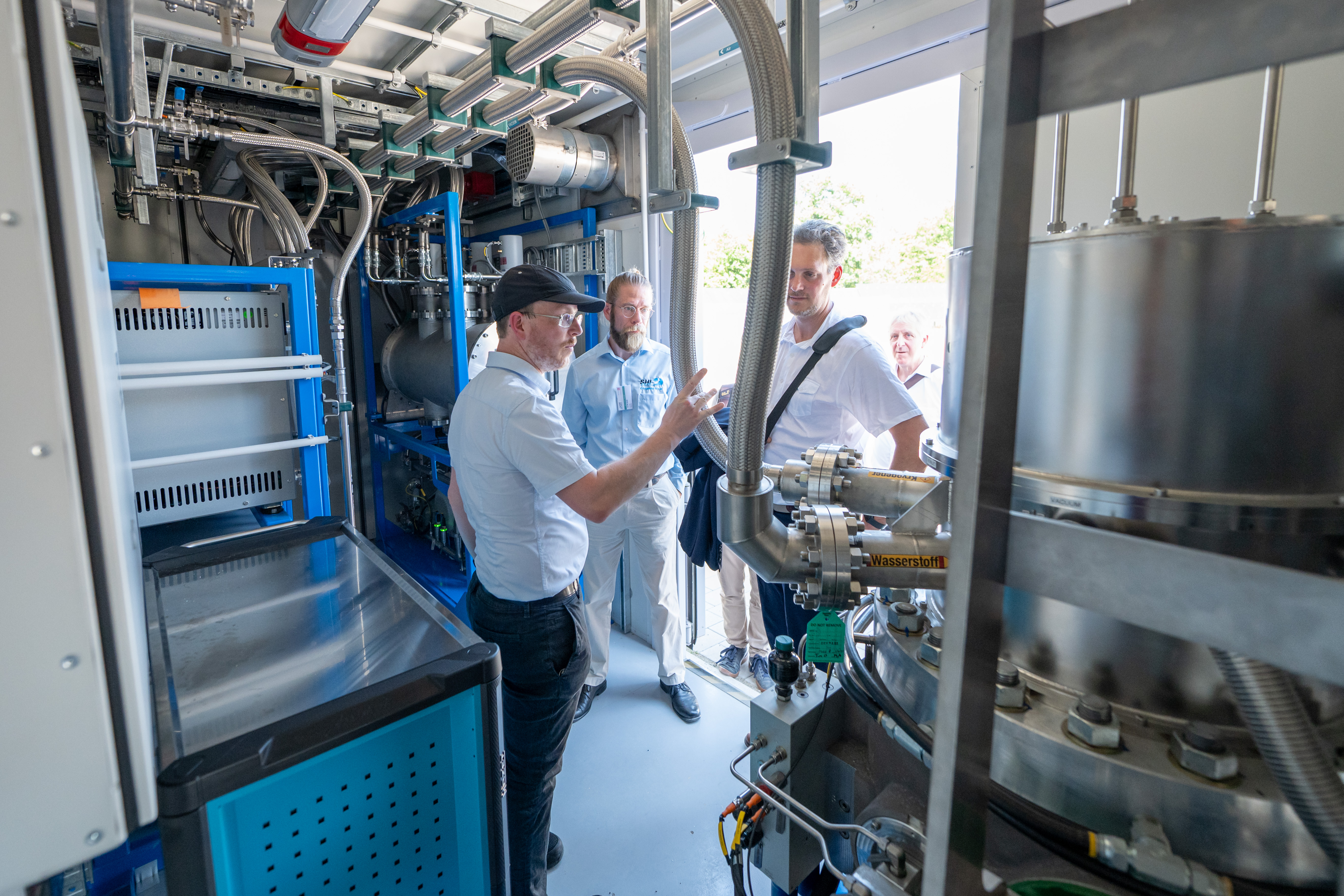
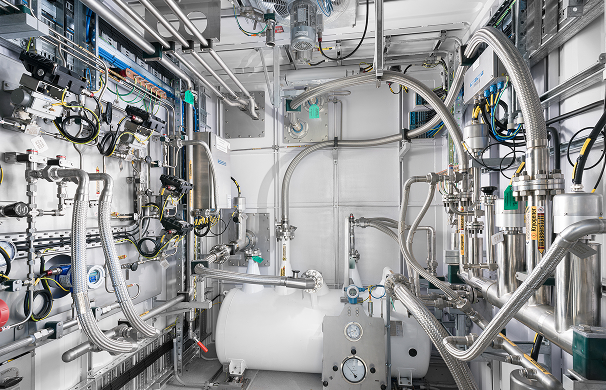
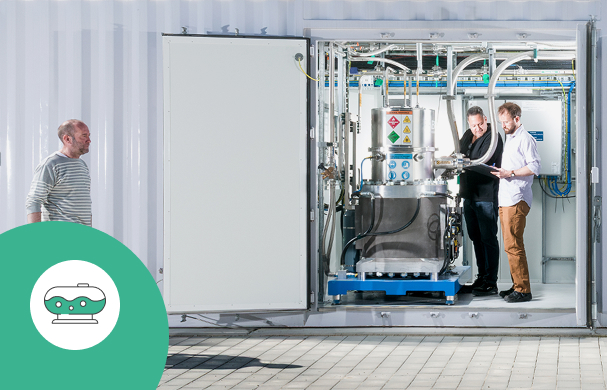
At the heart of HIP is a powerful liquefaction plant that processes over 50 kilograms of hydrogen per day. This makes it the largest non-commercial hydrogen liquefaction system in Germany.
However, the decisive aspect is not only the amount of hydrogen. The facility enables researchers to conduct experiments under realistic industrial operating scenarios that would not be feasible in conventional laboratory environments.
The facility not only supplies other users on campus with liquid hydrogen, but is also available for future research projects with industry and science partners outside KIT.
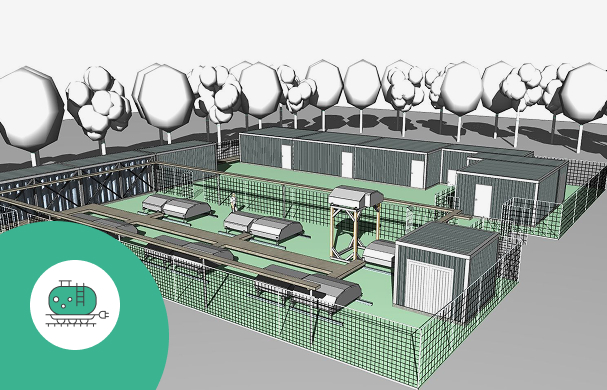
H₂Rail
The H₂Rail infrastructure realistically simulates a hydrogen-powered locomotive. This makes it possible to test new energy and drive concepts directly in the system, for example under simulated climate or gradient conditions.
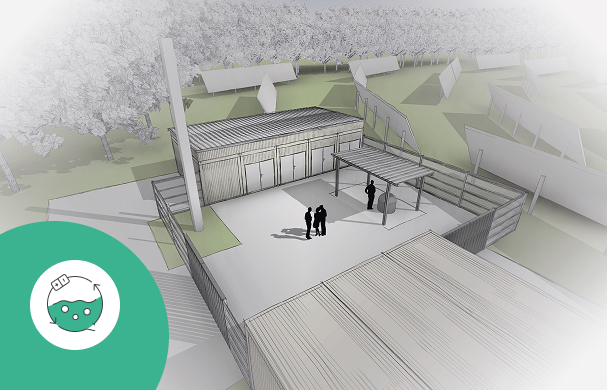
H₂-in-the-Loop
Power Hardware-in-the-Loop describes an experimental method in which real hardware is tested under realistic power grid conditions. This allows potential sources of error to be identified earlier than in pure model calculations. In this research activity, hydrogen-powered hardware is validated in a simulated power grid.
Results
Find out here about the exciting publications, promising industry partnerships, and innovative new research projects that have already emerged from the HIP platform.
Learn more
AppLHy
The research activity investigates the provision, storage, transport and use of liquid hydrogen (LH₂). One research focus at ITEP is the potential synergy of cryogenic liquid hydrogen with superconducting components, drive systems and coated conductors.

AEMflex
The AEMflex project is investigating a modular 200-kW AEM electrolyzer for green hydrogen production. The project focuses on flexible control strategies, high efficiency, and validation under real-world grid conditions.

The team behind HIP
HIP brings together researchers and research activities from different research activities and partner organisations. Together, they form an interdisciplinary team that researches, develops and applies hydrogen technologies.
Please feel free to contact us!
Do you have any questions about the project, or would you like to learn more about HIP?
Contact us