H₂-in-the-Loop: Grid-supporting flexible energy storage
Power Hardware-in-the-Loop describes an experimental method in which real hardware is tested under realistic power grid conditions. This allows potential sources of error to be identified earlier than in pure model calculations. This research project validates a real hydrogen storage power plant within a simulated power grid.
The ongoing energy transition will soon create a new situation for electrical grids: The supply of renewable electricity is far bigger than the demand. And this situation will last for multiple days in a row. Until this day, we have only been faced with the opposite situation. Fossil fuels could then easily be used to close the gap between high demand and low renewable supply. Now that there’s more renewable electricity than we can consume, pumped hydro and battery energy storage systems are charged at first. Once they reached a hundred per cent state of charge, and the renewable supply is still high, wind and solar parks need to be shut down. To avoid this curtailment, energy storage systems for high amounts of energy need to be deployed: Power-to-Gas, the gas being hydrogen in this case.
The large-scale integration of Power-to-Gas, as well as Gas-to-Power, plants into the electrical grid requires simulations beforehand. The calculation of the sizing and location of hydrogen storage plants needs detailed models to be run in various scenarios. In addition to that, the ability of hydrogen plants to provide grid support and improve grid stability is to be investigated. With H2-in-the-Loop, we make a valuable contribution to the accuracy of such simulations: We operate an entire hydrogen energy storage system within a simulated grid environment, made possible by Power Hardware-in-the-Loop. A lot of sensors create experimental data, which is then used to optimize and refine the models. Precise models will then enable Europe-wide electrical grids, being fed entirely by renewable energies.
Electrolysers
- Investigation as variable grid loads
- Research into different grid service scenarios in Power Hardware-in-the-Loop
Fuel cells
- Investigation as variable grid sources
- Research into different grid service scenarios in Power Hardware-in-the-Loop
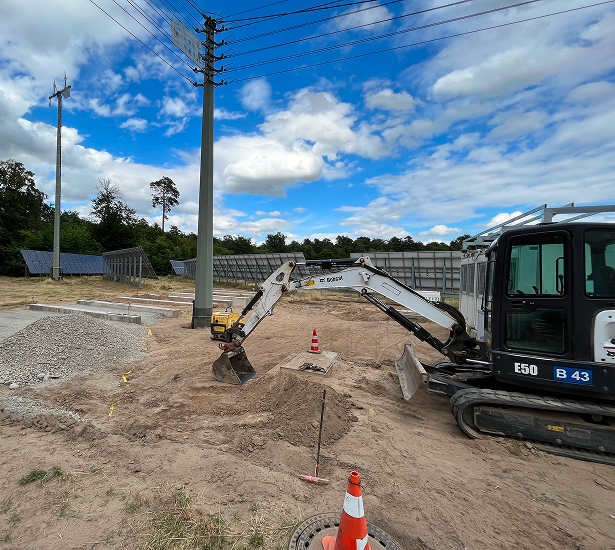
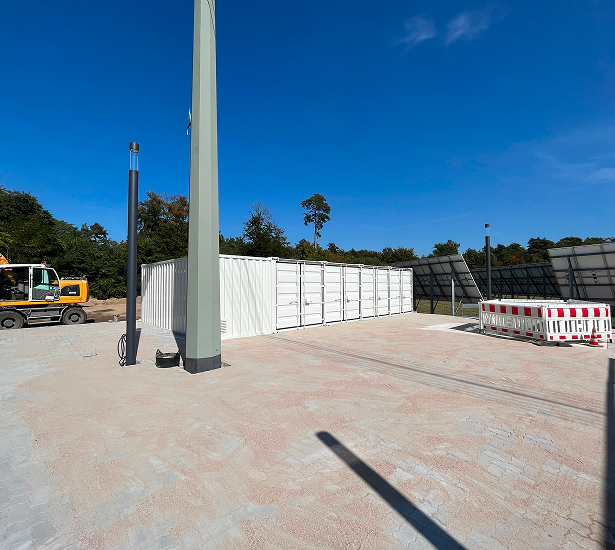
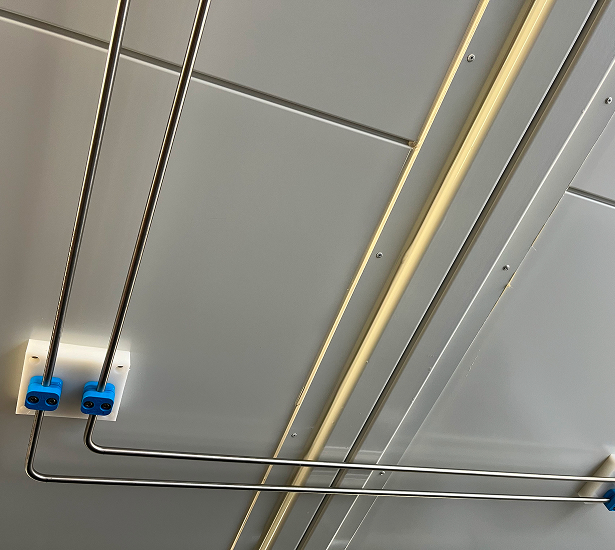
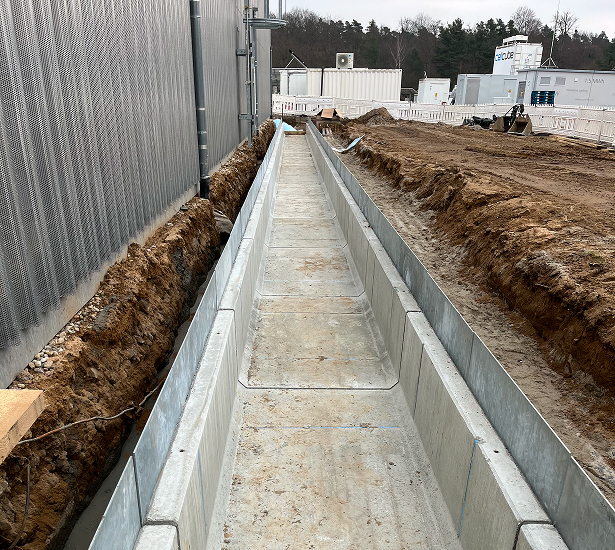
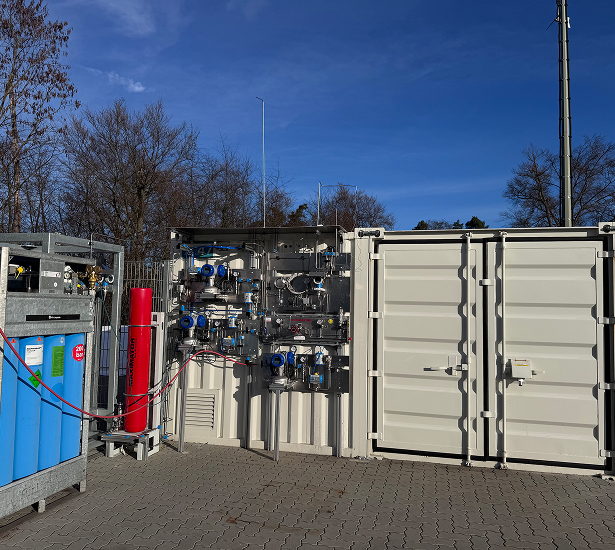
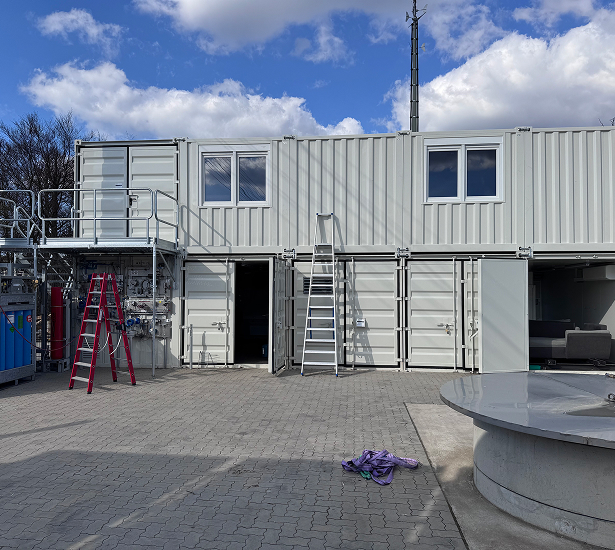
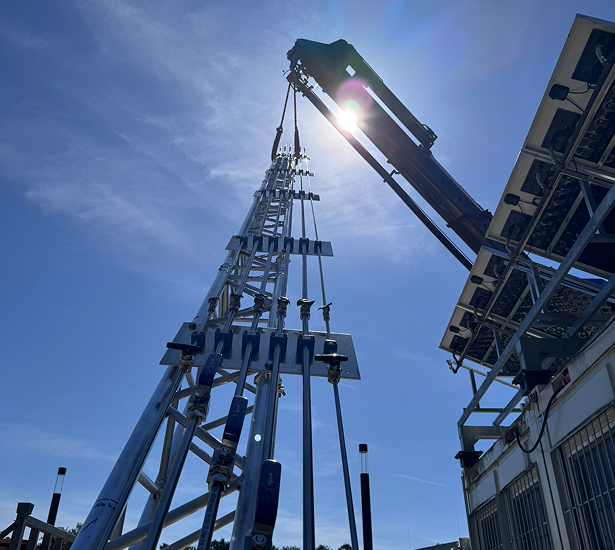
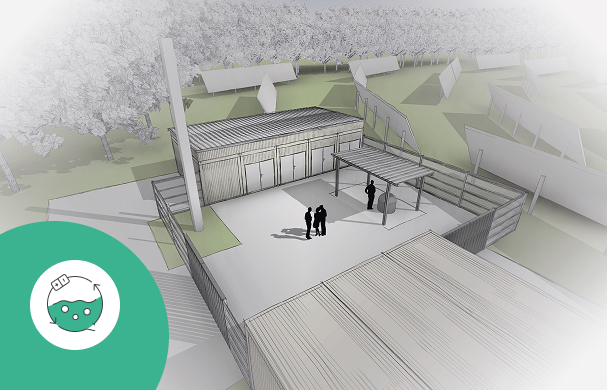
On an area specially designed for this purpose, we cover all aspects of a hydrogen-based energy storage system.
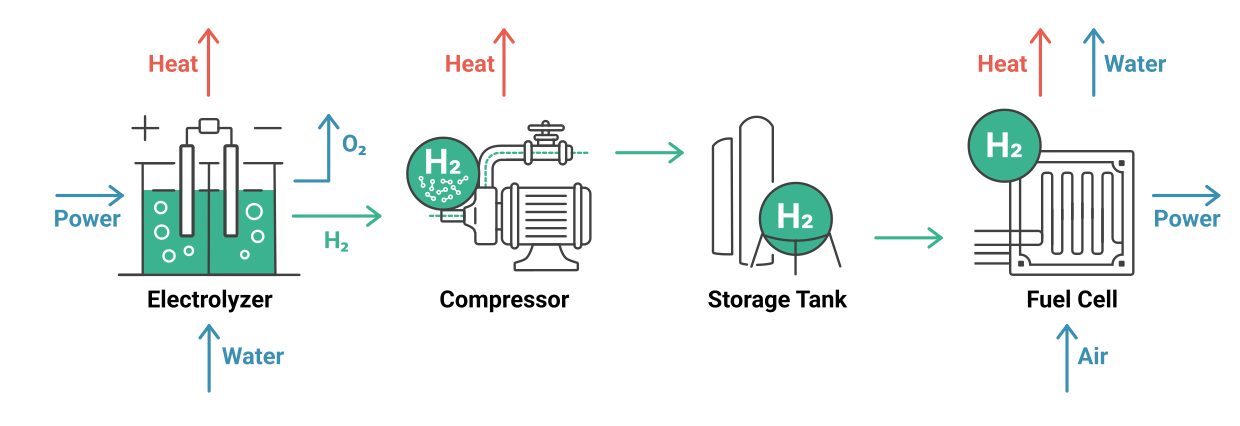
- The alkaline water electrolyzer produces up to eight standard cubic meters of hydrogen at an output pressure of 8 bars, consuming around 50 kW of electric power.
- A three-stage piston compressor can then lift the hydrogen pressure level up to 450 bars for storage in a tank.
- This tank consists of eight gas bottles with a volume of 50 liters each, resulting in a hydrogen content of 32 kg or an energy content of 1000 kWh in the tank.
- The hydrogen plant is completed by a PEM fuel cell system, delivering up to 10 kW of power.
Underground cables connect the hydrogen energy storage plant with the Power Hardware-in-the-Loop system inside the SEnSSiCC building of the Energy Lab. This is where any future electrical grid can be simulated in real time.

“A must-have for the success of the energy transition: Storage solutions for high amounts of renewable energy, also supporting the electrical grid.”

AEMflex
AEMflex develops and validates a modular 200 kW AEM electrolyser for the flexible, efficient and grid-oriented production of green hydrogen under realistic conditions.
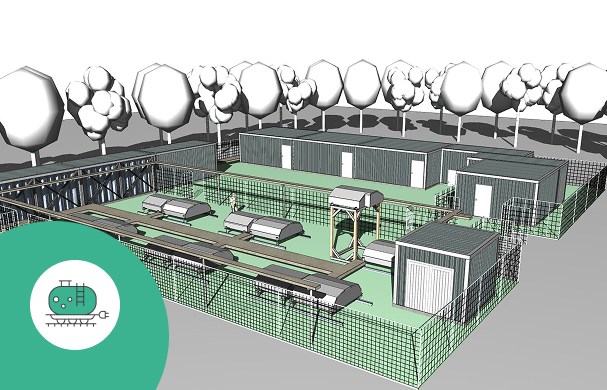
H₂Rail
H₂Rail realistically simulates a hydrogen powered locomotive in order to test fuel cells, batteries and energy management directly in the train.
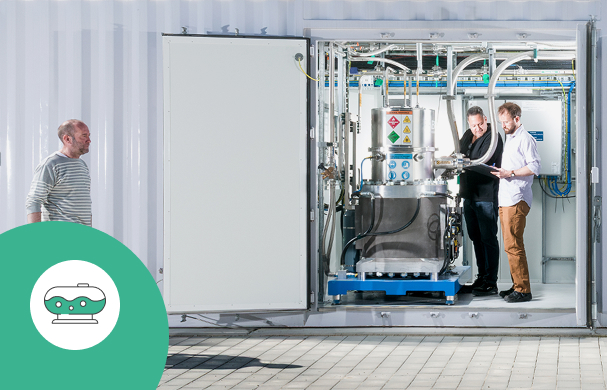
AppLHy
AppLHy explores how liquid hydrogen can be provided, stored and used, including in combination with superconducting components and drives.